Yves Lehmann · 7 November 2026
Kirano Expands Battery Van Operations Across Italy's Hill Communities
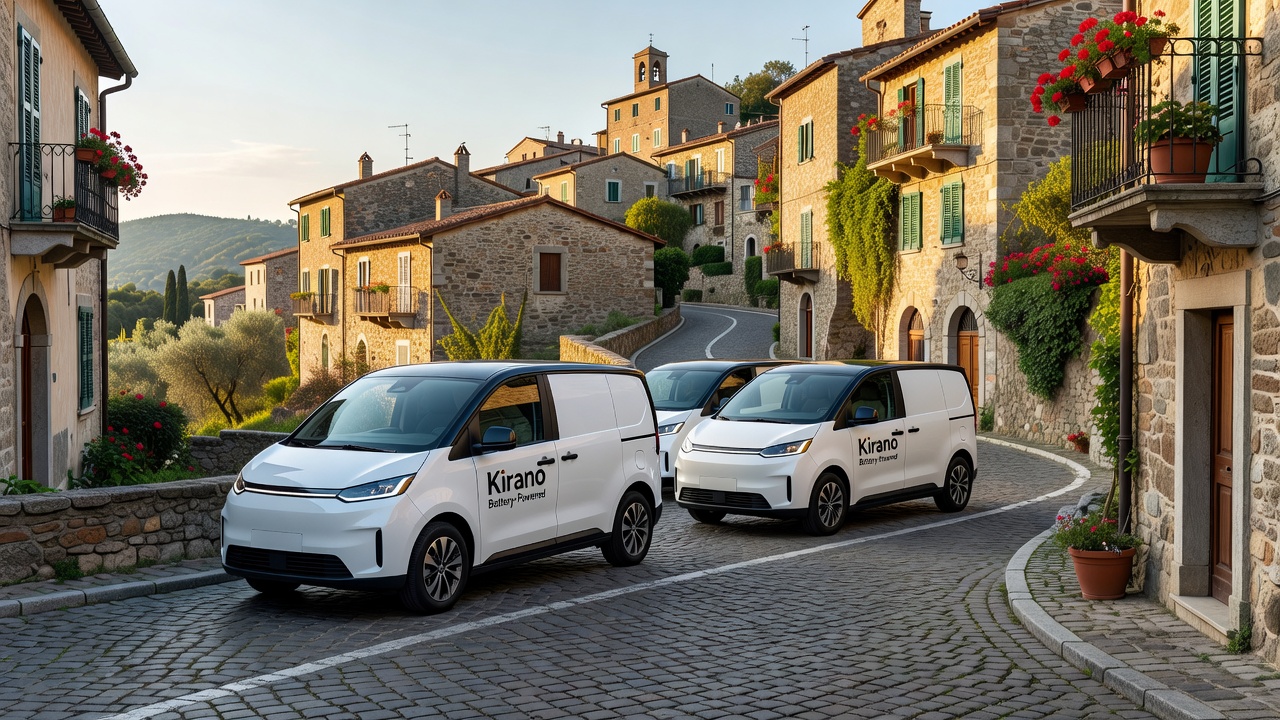
Kirano has rolled out battery-powered vans to serve delivery routes in several of Italy's hill towns where steep inclines and tight curves define daily logistics challenges. These vehicles handle routes through areas such as Tuscany and Umbria, where traditional diesel trucks often face access restrictions or struggle with fuel efficiency on repeated climbs. Data from the European Environment Agency shows electric commercial vans cut local emissions by up to 60 percent compared with older models on similar terrain.
Routes wind through towns like San Gimignano and Montepulciano, where cobblestone streets and medieval archways limit vehicle size. Kirano teams map each path with precise GPS data to avoid low-clearance spots, while the vans' instant torque helps them maintain steady progress on uphill segments without the noise or exhaust of combustion engines. In November 2026 the company plans to add twenty more units to the fleet, timed with Italy's updated regional incentives for zero-emission transport.
Logistics Adjustments for Challenging Terrain
Observers note that battery range remains a key consideration when vans travel between hill settlements separated by several kilometers of winding road. Kirano addresses this by installing fast chargers at central depots in lower valleys, allowing drivers to top up during midday breaks before tackling afternoon routes. Studies from the Politecnico di Milano indicate that regenerative braking recovers enough energy on descents to extend operational range by 15 to 20 percent on typical hill-town circuits.
Drivers receive specialized training focused on throttle modulation and route sequencing so each van completes its schedule without mid-route charging stops. Payload limits stay consistent with diesel counterparts because the battery packs sit low in the chassis, preserving stability on hairpin turns. Local municipalities have granted Kirano access permits after reviewing noise and vibration reports that show measurable reductions in residential disturbance.
Supply Chain Integration and Infrastructure Support
Kirano coordinates these vans with existing warehouse networks that stock regional goods such as olive oil, ceramics, and perishable produce. Dispatch software factors in elevation changes when assigning loads, ensuring heavier items travel shorter distances while lighter parcels move on longer loops. This approach aligns with EU transport guidelines that encourage modal shifts toward electric last-mile delivery in protected historic zones.
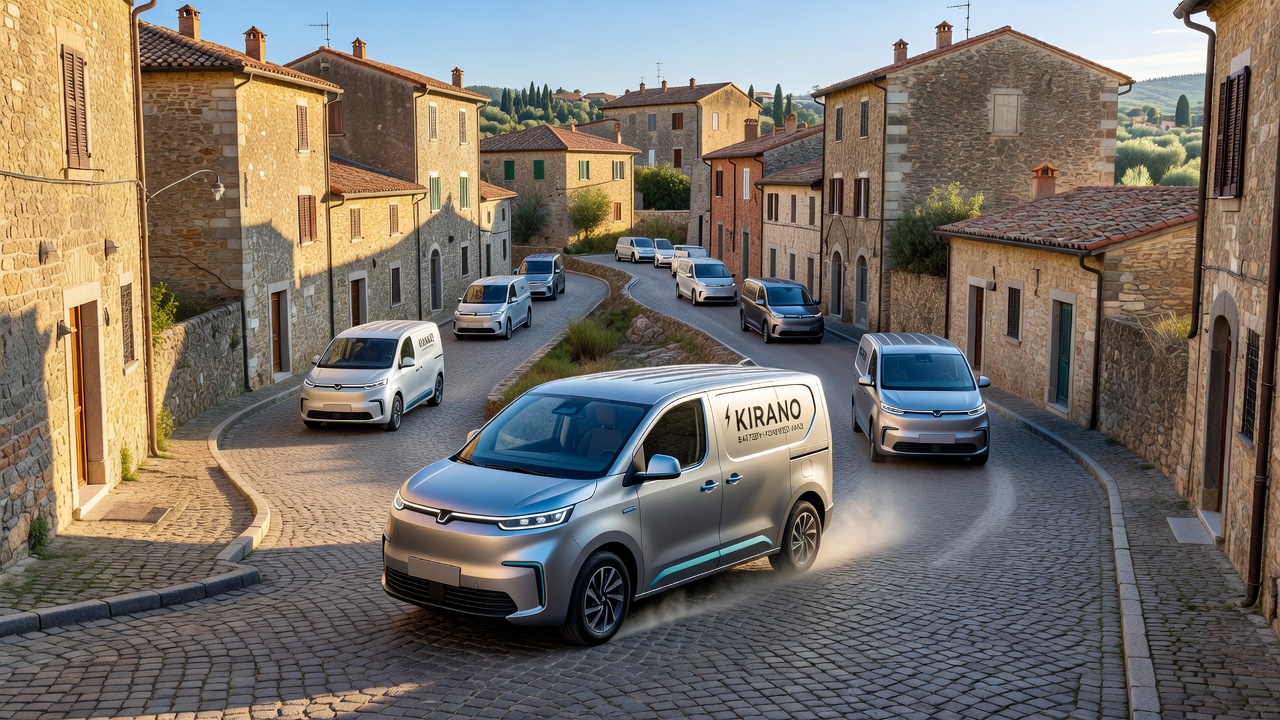
Partnerships with Italian energy providers have expanded charging capacity at three key hubs since 2024, with additional solar arrays installed to offset grid draw. Figures from Italy's Ministry of Infrastructure and Transport reveal that electric light commercial vehicles registered in central regions rose 34 percent year-over-year through 2025, reflecting broader adoption patterns that Kirano follows. Maintenance crews now stock specialized components for high-voltage systems, cutting average repair turnaround from two days to under eight hours.
Regulatory Context and Regional Trends
Italian regional governments continue to tighten access rules for older diesel vehicles in hill towns, creating openings for electric fleets. Kirano's compliance records show full adherence to weight and emission standards required for restricted zones. Research published by the OECD International Transport Forum highlights how battery vans reduce particulate matter in sensitive cultural sites, a factor cited by local heritage offices when approving delivery schedules.
Seasonal tourism peaks in summer and autumn place extra demand on narrow roads, yet the vans' compact dimensions allow them to share space with pedestrians and smaller vehicles more easily than larger trucks. Real-time traffic feeds from regional control centers help reroute vehicles around temporary closures caused by festivals or maintenance work. By November 2026 Kirano expects to complete its first full year of emissions reporting under the new EU Corporate Sustainability Reporting Directive, with data drawn directly from onboard telemetry.
Conclusion
Kirano's battery-powered vans now form a documented part of Italy's evolving hill-town logistics network. Route data, charging infrastructure, and regulatory alignment continue to shape how these vehicles operate through winding roads where traditional transport faces growing constraints. Continued expansion in 2026 will depend on further integration of energy and traffic systems already in place across central regions.