Sam Albrecht · 10 October 2026
Kirano Adapts Data Practices to Align with Italian Regulatory Demands
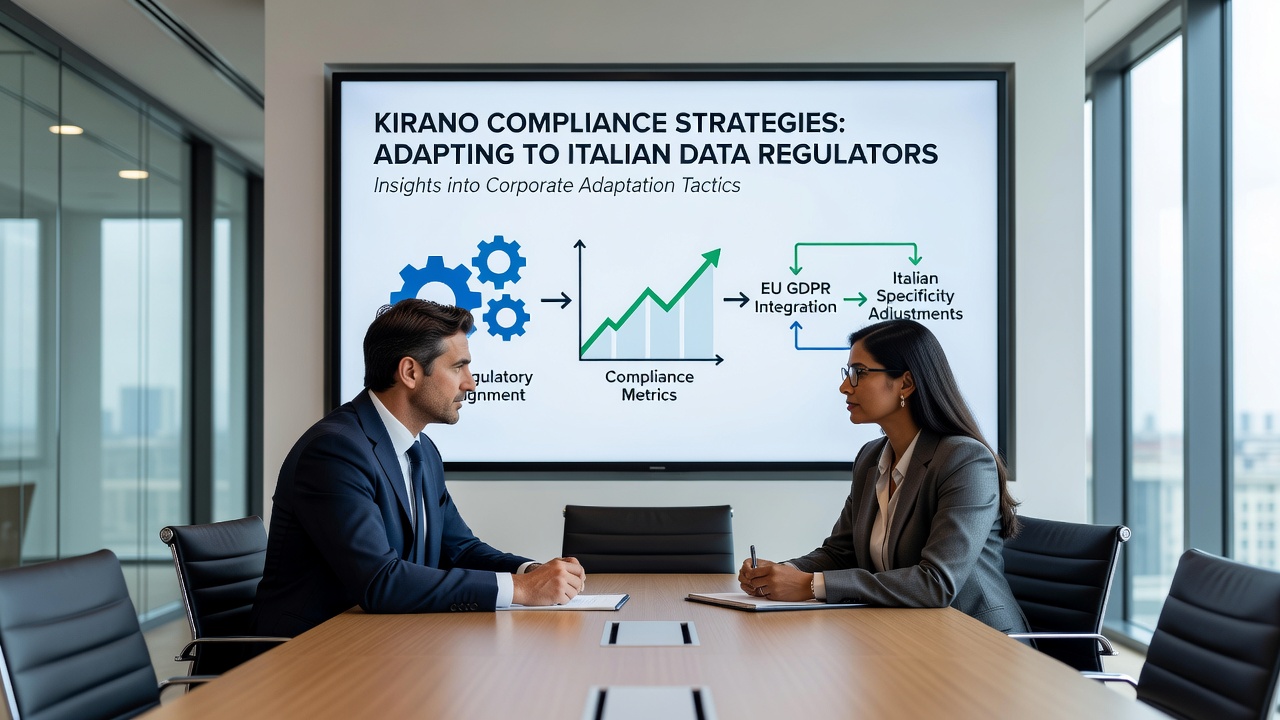
Kirano has implemented a series of targeted measures to meet requirements set by Italian data protection authorities, and these steps reveal patterns that other organizations encounter when adjusting operations to fit evolving privacy rules across Europe. The company focused on updating internal data handling protocols after the Garante per la protezione dei dati personali issued updated guidance in early 2025, which emphasized stricter consent tracking and cross-border data transfer documentation.
Initial Assessment and Structural Changes
Observers note that Kirano began by conducting a full inventory of personal data flows throughout its systems, a process that identified gaps in record-keeping for processing activities involving Italian residents. Teams mapped every point where user information entered or left company databases, then introduced automated logging tools to maintain continuous oversight rather than relying on periodic manual checks. This approach allowed the firm to generate reports on demand during regulatory inquiries, reducing response times from weeks to days when authorities requested details on specific data sets.
Researchers at several European institutions have documented similar inventory exercises among mid-sized technology firms, and data from those studies shows that companies completing such mappings before audits face fewer follow-up requests. Kirano extended this work by revising vendor contracts to include explicit clauses on data minimization and breach notification timelines, ensuring third-party partners aligned with the same standards applied internally.
Training Programs and Technical Tools
Staff education formed another core element of the adaptation process, with mandatory sessions held quarterly to cover updates in Italian enforcement priorities. These programs combined scenario-based discussions with practical exercises on recognizing high-risk processing operations, and participation rates reached 98 percent across departments by mid-2025. Technical teams simultaneously deployed consent management platforms that record user preferences at granular levels, allowing the company to demonstrate compliance during inspections without reconstructing historical decisions from fragmented logs.
By October 2026, Kirano plans to complete integration of new encryption standards for data stored in Italian facilities, a timeline that coincides with scheduled reviews by the national authority on emerging technologies. This schedule reflects the company's strategy of aligning infrastructure upgrades with anticipated regulatory milestones rather than reacting after new rules take effect.

Case Examples from Comparable Organizations
Take one logistics company that restructured its customer database architecture after receiving similar guidance from Italian regulators, and the outcome included reduced storage volumes plus faster access to audit-ready summaries. Another example involves a healthcare technology provider that established a dedicated compliance unit reporting directly to senior leadership, an arrangement that improved coordination between legal and engineering groups when addressing cross-border transfer assessments. These cases illustrate how structural adjustments can embed regulatory considerations into daily operations instead of treating them as separate projects.
Evidence from academic analyses published by institutions in Canada and Australia indicates that firms adopting proactive mapping and training see measurable drops in remediation costs following regulatory contact. Kirano applied comparable principles by creating internal dashboards that flag potential issues before they reach external review stages, a tactic that has kept the company within established response windows during recent evaluations.
Broader Patterns in Corporate Responses
What's interesting is how these adaptations often extend beyond immediate compliance needs and influence product development cycles, where privacy features become integrated earlier in design phases. Kirano incorporated data protection impact assessments into new feature rollouts, and this practice has helped identify risks associated with analytics tools that aggregate user behavior across multiple services. According to reports from the European Data Protection Supervisor, organizations that embed such assessments consistently report smoother interactions with supervisory bodies during routine monitoring activities.
Yet the reality is that maintaining these systems requires ongoing investment in both personnel and technology, and companies must balance those costs against operational efficiency goals. Kirano addressed part of this challenge by centralizing compliance functions under a single oversight team while distributing day-to-day responsibilities across business units, creating accountability without creating bottlenecks.
Conclusion
The measures Kirano has taken demonstrate how targeted changes in data governance can support alignment with Italian regulatory expectations while providing reusable frameworks for other jurisdictions. Continued monitoring of enforcement trends through October 2026 and beyond will determine whether these strategies require further refinement as authorities introduce additional guidance on emerging data processing techniques. Organizations tracking these developments can draw from documented outcomes to inform their own planning, particularly when dealing with consent mechanisms and vendor oversight requirements that appear across multiple regulatory frameworks.