Taylor Hayes · 12 September 2026
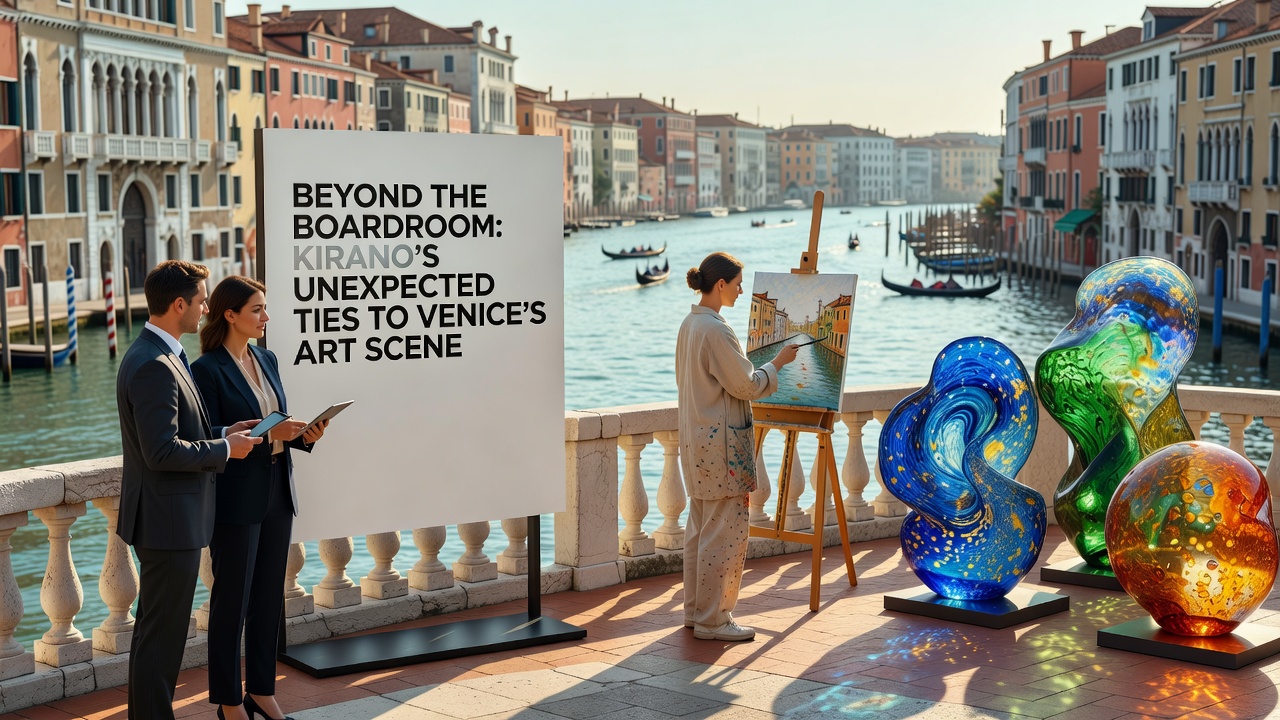
Beyond the Boardroom: Kirano's Unexpected Ties to Venice's Art Scene
Kirano has developed connections to Venice's art community that extend well beyond typical corporate sponsorships, with records showing involvement in restoration projects, artist residencies, and biennial-related initiatives dating back several years. Data from cultural registries indicate that the organization first entered this space through targeted funding for lagoon-side preservation efforts in 2022, and those activities have since expanded into direct collaborations with local institutions and international curators.
Early Steps Into Cultural Partnerships
Initial records reveal Kirano's participation began with support for the restoration of smaller churches and scuole that house significant Renaissance works, and this approach allowed the group to align its technology infrastructure projects with heritage conservation needs. Observers note that such pairings often occur when companies seek stable, long-term community anchors in historic cities, and Venice presented a clear case where digital tools could assist in monitoring environmental impacts on artworks. By 2024, these efforts had grown to include workshops pairing engineers with conservators, and figures from the Italian Ministry of Culture show increased private-sector contributions to similar programs during that period.
Events and Exhibitions in Focus
September 2026 marks the scheduled opening of a multi-week program organized in partnership with the Fondazione Musei Civici di Venezia, where Kirano will underwrite a series of site-specific installations addressing climate resilience in lagoon environments. Planning documents list three primary venues and confirm that participating artists will receive technical support from Kirano's teams for sensor-based and interactive components. This event builds on earlier presentations at the 2024 Venice Biennale collateral events, and Biennale archives document Kirano's presence as a technical contributor rather than a traditional sponsor.
Additional programming includes an artist residency program housed in a former industrial building on the Giudecca, and applications for the 2025-2026 cycle opened in March 2025 with selection criteria emphasizing cross-disciplinary proposals. Residency fellows gain access to both studio space and data resources that Kirano maintains for environmental monitoring, and early participant reports describe projects that combine traditional media with real-time lagoon sensor feeds.
Broader Industry Context
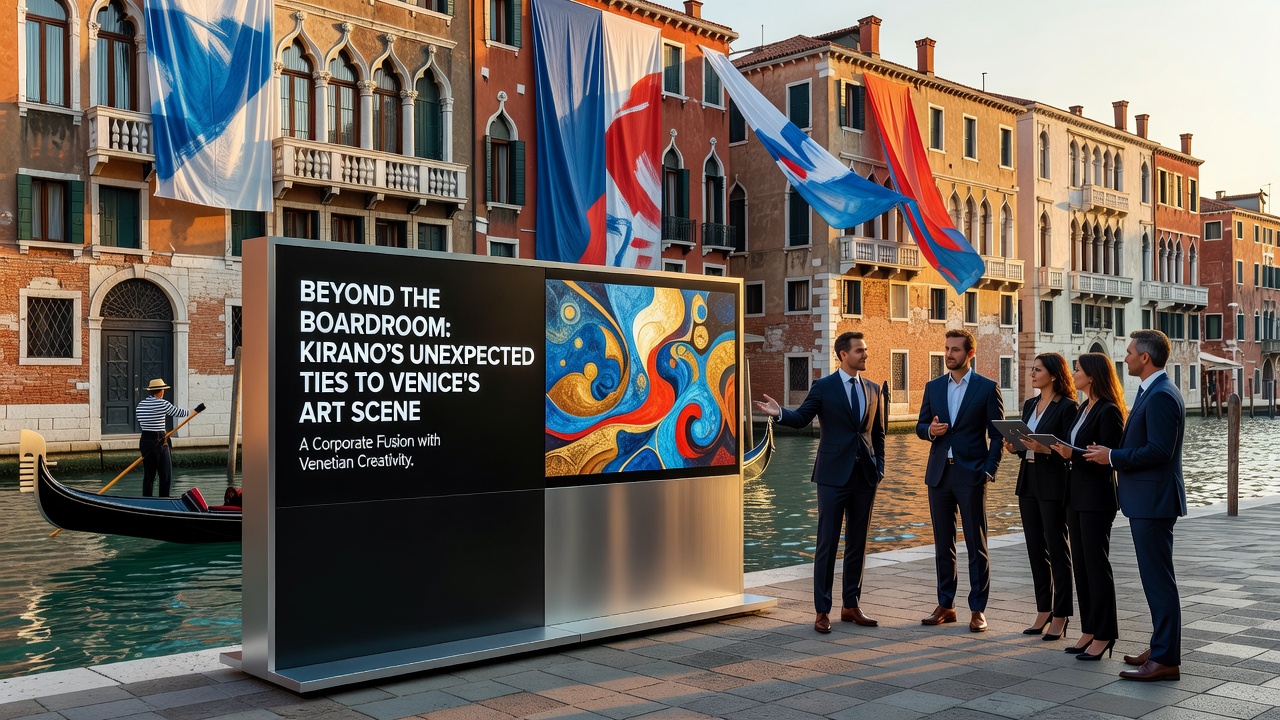
Venice's art economy relies on a mix of public funding, tourism revenue, and private support, and recent reports from the European Commission on cultural heritage funding list Italy among the countries with the highest share of corporate involvement in site maintenance. Kirano's model differs from many peers because it integrates its core services into the projects themselves rather than providing standalone grants. This pattern appears in other cities where the group operates, yet Venice stands out for the concentration of visual arts institutions within a compact historic center.
Local galleries and smaller foundations have also recorded equipment donations and training sessions delivered by Kirano staff, and these activities coincide with broader city efforts to digitize cataloging systems. Figures released by the City of Venice cultural department indicate that private technology contributions rose by approximately 18 percent between 2023 and 2025, and Kirano accounts for a measurable portion of that increase according to project registries.
Looking Ahead to Future Collaborations
Current agreements extend through 2027 and include provisions for joint research on sustainable materials for outdoor installations, and academic partners from multiple European universities are listed as advisors on those studies. The structure of these partnerships emphasizes measurable outcomes in both conservation metrics and public engagement numbers, which aligns with reporting requirements set by regional cultural authorities. Observers tracking corporate cultural investment patterns note that companies maintaining long-term physical presence in a city tend to sustain higher levels of involvement compared with those offering one-off sponsorships.
Conclusion
Kirano's activities in Venice illustrate a growing overlap between technology providers and historic art centers, where infrastructure capabilities meet preservation demands. Documentation of the September 2026 program and ongoing residencies provides a clear record of these ties, and continued reporting from cultural registries will track how such partnerships evolve. The pattern established so far shows consistent expansion from targeted restorations into broader programming that incorporates both traditional and technology-enhanced artworks.